
Without Core Value, Don't Jump the Gun
This issue's cover features the adorable character designed by legendary Apple designer Susan Kare for OpenClaw.
Last week Figma shipped vectorized image editing — converting raster images into fully editable vectors right on the canvas. One more reason Adobe is becoming irrelevant:
- Convert images in one click — Drag any raster image (sketch, photo, texture) into Figma Design or Draw and instantly convert it to editable vectors.
- Simplify color output — Use the recolor slider to reduce vectorized artwork to a manageable set of colors and shapes, making it easier to refine and adjust.
- Edit with existing Figma tools — Adjust anchor points, reposition elements, and apply color variables to standardize artwork across themes and brand systems.
- Create reusable assets — Turn hand-drawn lettering into editable logos, or captured textures into scalable overlays for layered UI and landing page design.
Figma keeps getting stronger, yet its stock has cratered.
Vercel's v0 had a spectacular stumble. First, a teaser tweet implied Claude Sonnet 5.0 was about to drop — except Anthropic didn't play along and the model didn't ship on schedule. Then the product launch event was painfully awkward, drawing widespread criticism. They ended up resorting to a $2/month introductory discount to salvage goodwill. The lesson: without core value, don't jump the gun.
Resources
TSL Graph
A visual shader editor for Three.js, featuring a node-based interface that lets developers create powerful shaders without writing code. One-click export to standard TSL.
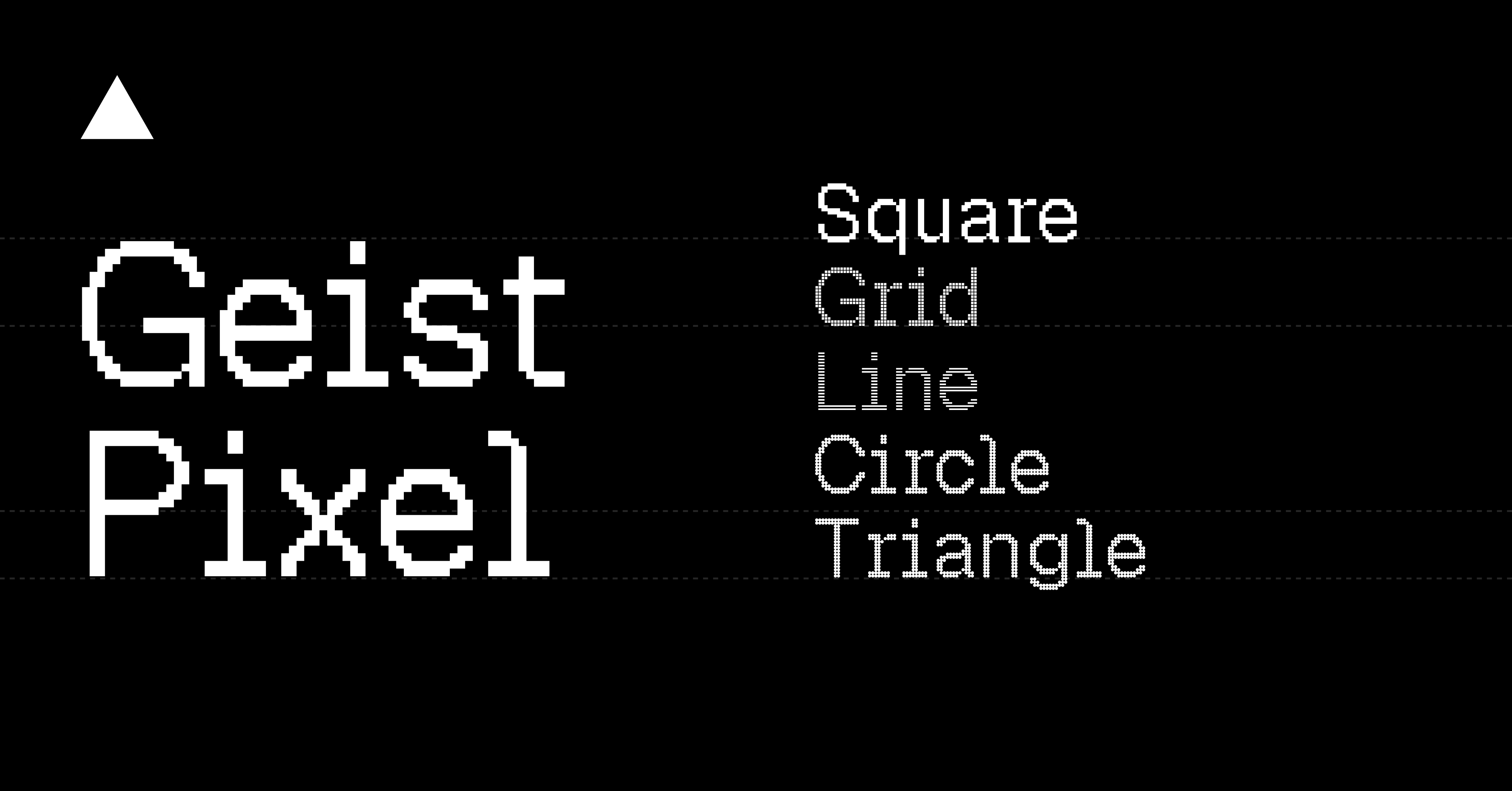
Introducing Geist Pixel
Vercel introduces Geist Pixel, the newest member of the Geist type family — a bitmap-style font built on a pixel grid. Five variants (Square, Grid, Circle, Triangle, Line), 480 glyphs, 32 languages. Every glyph was hand-crafted pixel by pixel. Retro texture meets modern production-grade usability. A serif companion is on the way.
CMYK Halftone
A Figma plugin that simulates traditional CMYK halftone printing, generating and layering cyan, magenta, yellow, and black halftone dot layers with adjustable dot size and angle parameters. Notably, Paper also shipped a similar halftone effect the same week.
Cases
Tax
A global tax rate visualization and comparison tool covering the US, Europe, Asia, and beyond. The domain and design are both pitch-perfect.

Codex
The Codex desktop app is still rough around the edges, but the design consistently impresses — arguably better-looking than Claude's own interface. The icon was again designed by Gavin Nelson, who increasingly feels like the last person still shipping proper Mac-style icons.
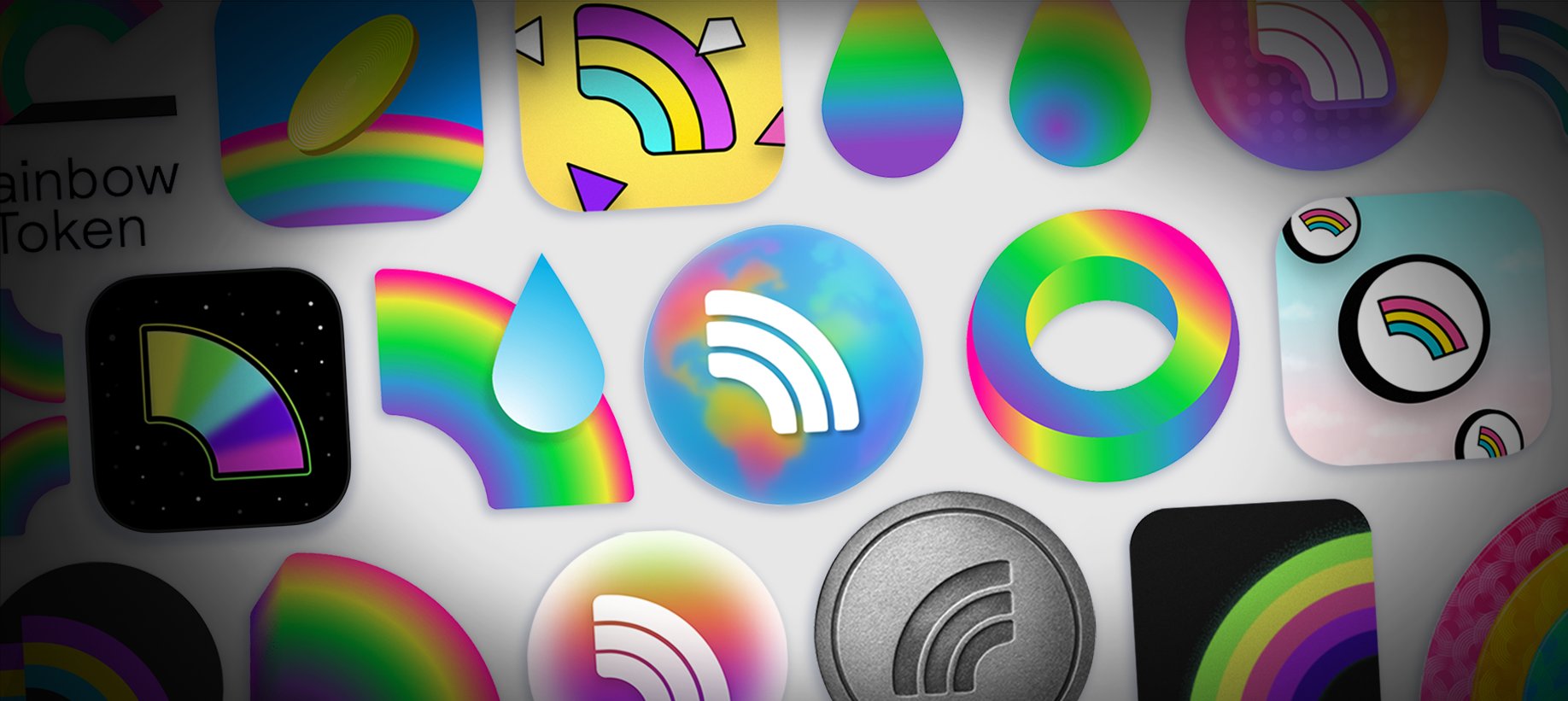
How we designed the $RNBW token logo
Rainbow Wallet shares the design details behind their token logo.
Curated, translated, and edited from 丁一's DEX Weekly. Ding Yi is the co-founder of DEX, a design community. Former Head of Sketch China, former Design Director at 36Kr. A full-stack designer who writes questionable code, currently freelancing — probably Beijing's most well-known slash-career creative.