Collective FOMO — Inner Peace Comes from Focusing on Your Own Work
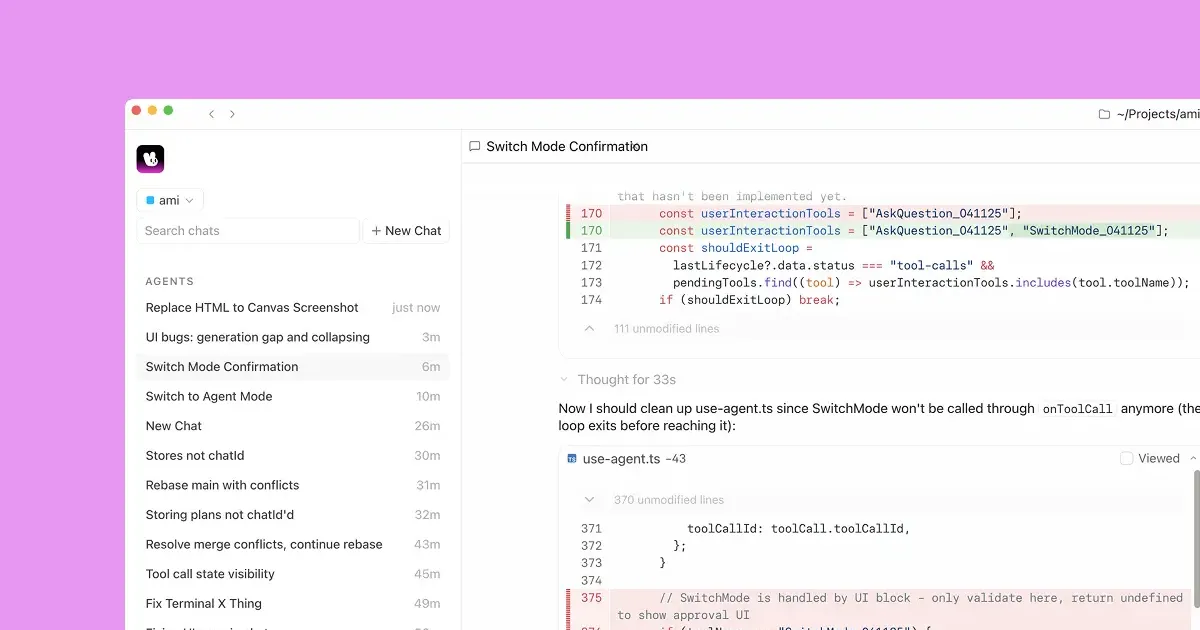
This issue's cover comes from Ami, another well-designed agent client — though it doesn't support bringing your own API key.
Another week lost to vibe coding. Last week, the emergence of Clawdbot, Pencil, and a flood of new skills filled every feed with homogeneous content. People collectively spiraled into FOMO. Meanwhile, a quiet week building a small product: Topfeed, a site that aggregates blog posts from notable voices across tech. Login, follow, and build your own personalized feed. Took about a week to get the core working — aiming to ship soon.
Think about how absurd this moment is. Work that used to require a front-end developer, a back-end developer, and a product manager collaborating for weeks or months — you can now get the bulk of it done in a single evening. The remaining 90%+ of time goes into polishing details.
The AI era is extraordinarily kind to designers. Your moat — taste, judgment, craft — is something engineers can't easily replicate. But their moat — implementation — is something AI can largely handle for you, provided the project isn't too complex.
Emil Kowalski's animation course added skills support, but each skill costs an additional $49 — pioneering paid skills in this space. Expect every product and design system to ship their own skills, rules, and AI add-ons soon. He also brought in Glenn Hitchcock from Poolside to redesign the brand identity. Though that button does look suspiciously like Amazon's.
Resources
Preorder Agentic UI
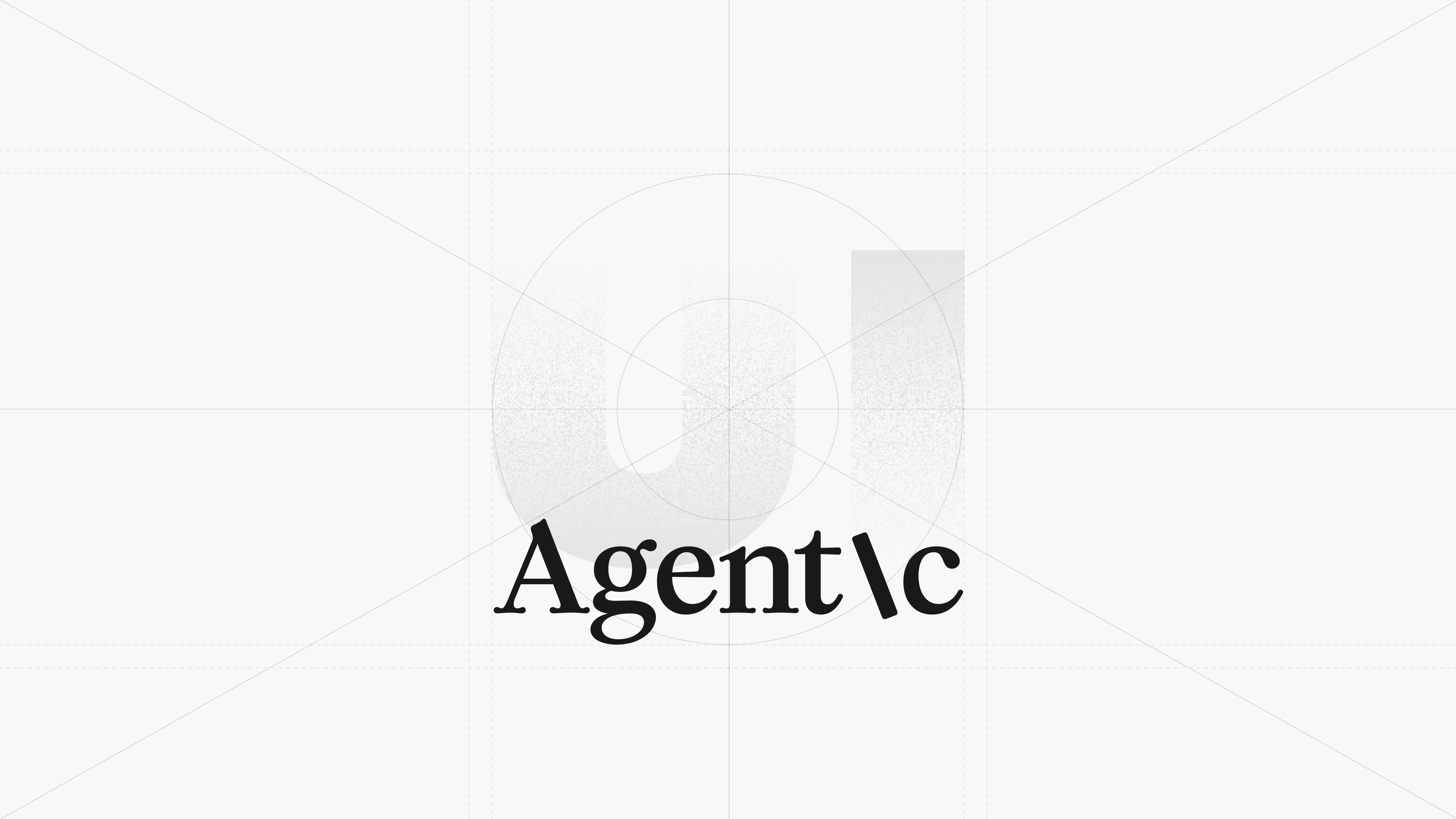
The first enterprise-grade agentic design system, purpose-built for Figma. Helps designers build scalable AI agent interaction patterns. Pre-order at $49, rising to $129 at launch. Includes AI-ready skills — expect this to become standard within six months.
GT Canon
A new type family from Grilli Type, built around an aesthetic vocabulary system spanning from Anatomy to Zone. Includes Typewriter, Small, Medium, Large, and Mono sub-families with multiple weights and optical sizes. A typeface that combines design philosophy with serious utility.

Hyperlegible Sans
An open-source sans-serif font focused on accessibility, evolved from Inter. It bridges the gap between modern UI typefaces like Inter and high-readability fonts like Atkinson Hyperlegible. Specifically optimized for low-vision users and accessibility-first interfaces — it resolves Inter's confusion issues between "I", "l", and "1" at small sizes and low contrast, while preserving Inter's modern geometric aesthetic.
Cases
Prompt a Startup 2026
A hackathon by Polar and Lovable. The minimal, geeky page design is excellent — I learned from this site how to create a dot-matrix background using CSS gradients. Brilliant.
Paper -- design, share, ship
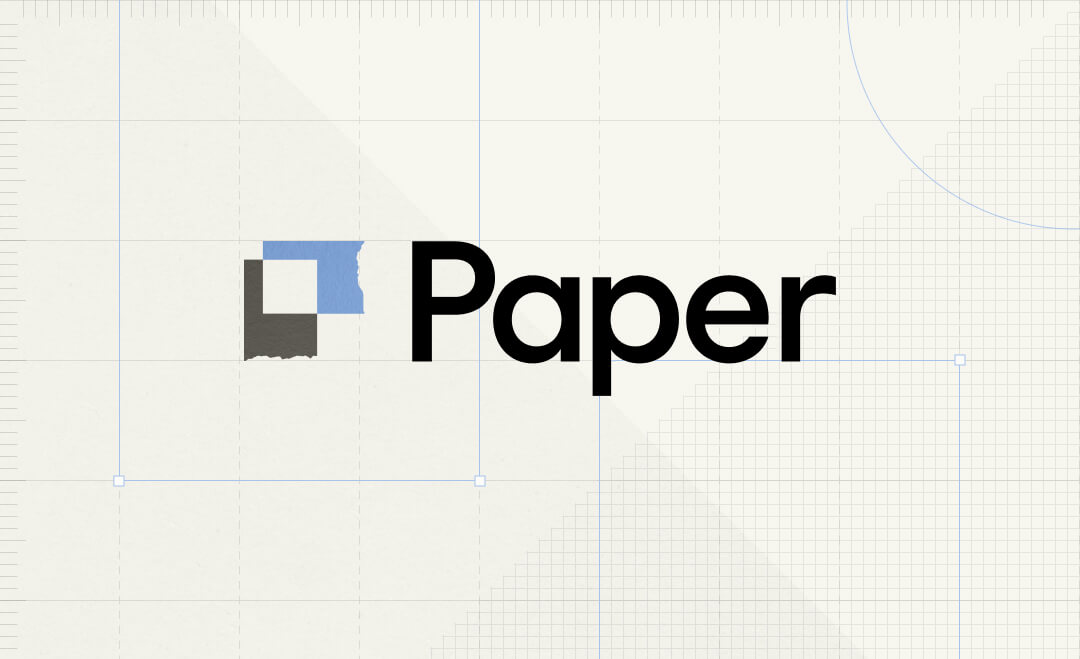
Paper launched its new site. Their visual language sits between Figma and Sketch — not as slick-to-the-point-of-greasy as Sketch used to be, but cleaner than Figma. The roadmap page is worth studying: beautifully designed and reveals exciting upcoming features.
Digital Meadow
The site barely has content yet, but this one refined little animation makes it instantly memorable.

More Notable Design
- Matt Sellers - Another Lovable designer. The product showcase interaction animations are clever.
- Meta - Counter's rebrand for Meta holds up well on repeat viewing.
- Zajno released a new design teaser — the retro-futuristic style is stunning. Do not click.
Curated, translated, and edited from 丁一's DEX Weekly. Ding Yi is the co-founder of DEX, a design community. Former Head of Sketch China, former Design Director at 36Kr. A full-stack designer who writes questionable code, currently freelancing — probably Beijing's most well-known slash-career creative.