
Nobody Writes CSS Anymore — Soon They'll Only Write English and Markdown
This issue's cover comes from km5, a Japanese audio brand specializing in portable CD players and lightweight over-ear headphones.
Last week, the tech world received sobering news: Tailwind CSS laid off 75% of its team due to AI-driven revenue collapse in its commercial products. Sounds dramatic — until you realize it was a four-person company that went down to one. I know their story well. Adam Wathan originally set out to build Digest, a HackerNews-style product. He was one of the earliest practitioners of building in public, live-coding on stream. People weren't especially interested in his product, but they noticed the CSS framework he was using was remarkably good — and that's where the real company began.
Along the way, they created "Refactoring UI," which became an essential design primer across the industry. Between that and Tailwind, Adam was pulling in several million dollars a year at the peak. But Tailwind CSS's only revenue channel has always been Tailwind UI — a $299 one-time purchase with a team license option. Development has slowed to near-stagnation, and after the AI explosion, who needs pre-built templates anymore?
A brand as prominent as Tailwind CSS should have developed more commercial avenues. Vue's parent company is a good example of how to do it. But monetizing open source has always been hard, and CSS isn't exactly a core language. To their credit, within a single day of the announcement, major tech companies stepped up with sponsorships. Perhaps in the AI era, the endgame for this kind of internet infrastructure is acquisition by a larger company.
Tailwind CSS made people stop writing CSS entirely. Before, people wrote in various languages. Now they just write Markdown.
Last week, dub.co founder Steven Tey shared how migrating animations from Rive to Lottie reduced file sizes by 90% and saved over $1,000/month. It's a good reminder that which tool is "better" is often a designer's or engineer's unilateral preference — in production, at sufficient scale and traffic, cost wins.
Resources
Tool UI
A beautiful set of UI components built for AI tool-calling scenarios. Emphasizes responsiveness, accessibility, type safety, and copy-paste simplicity. Built on Tailwind, Radix, and shadcn/ui. Open source.
Cases
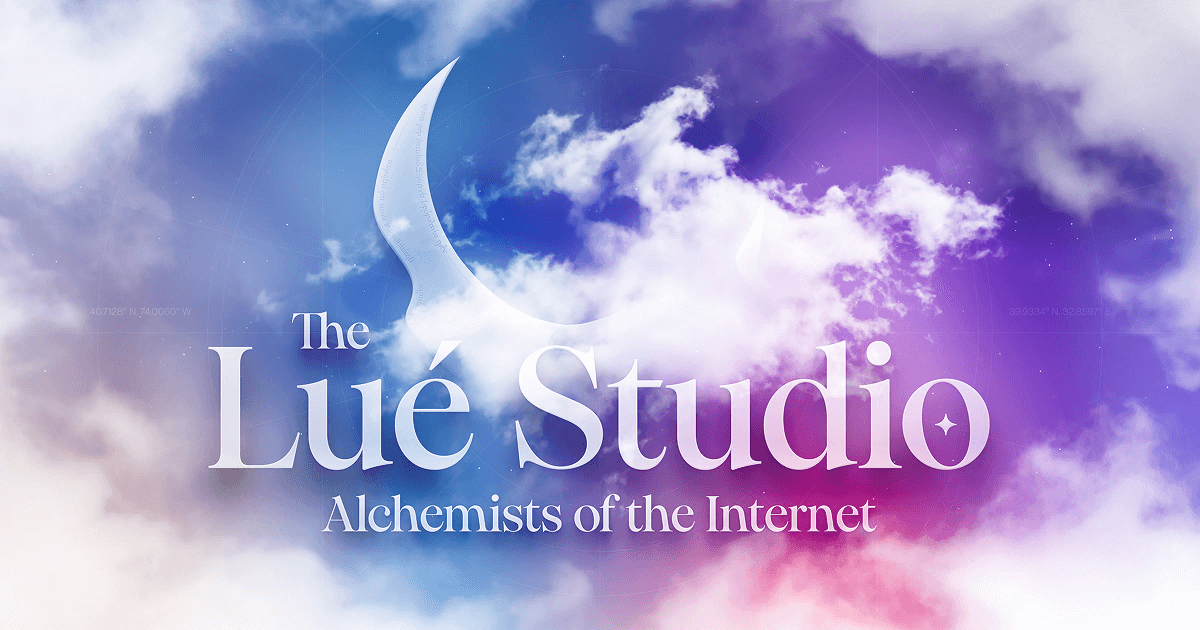
Firecrawl -- Lue Studio
Lue Studio did a complete brand and website redesign for Firecrawl last year, including the entire front-end development.
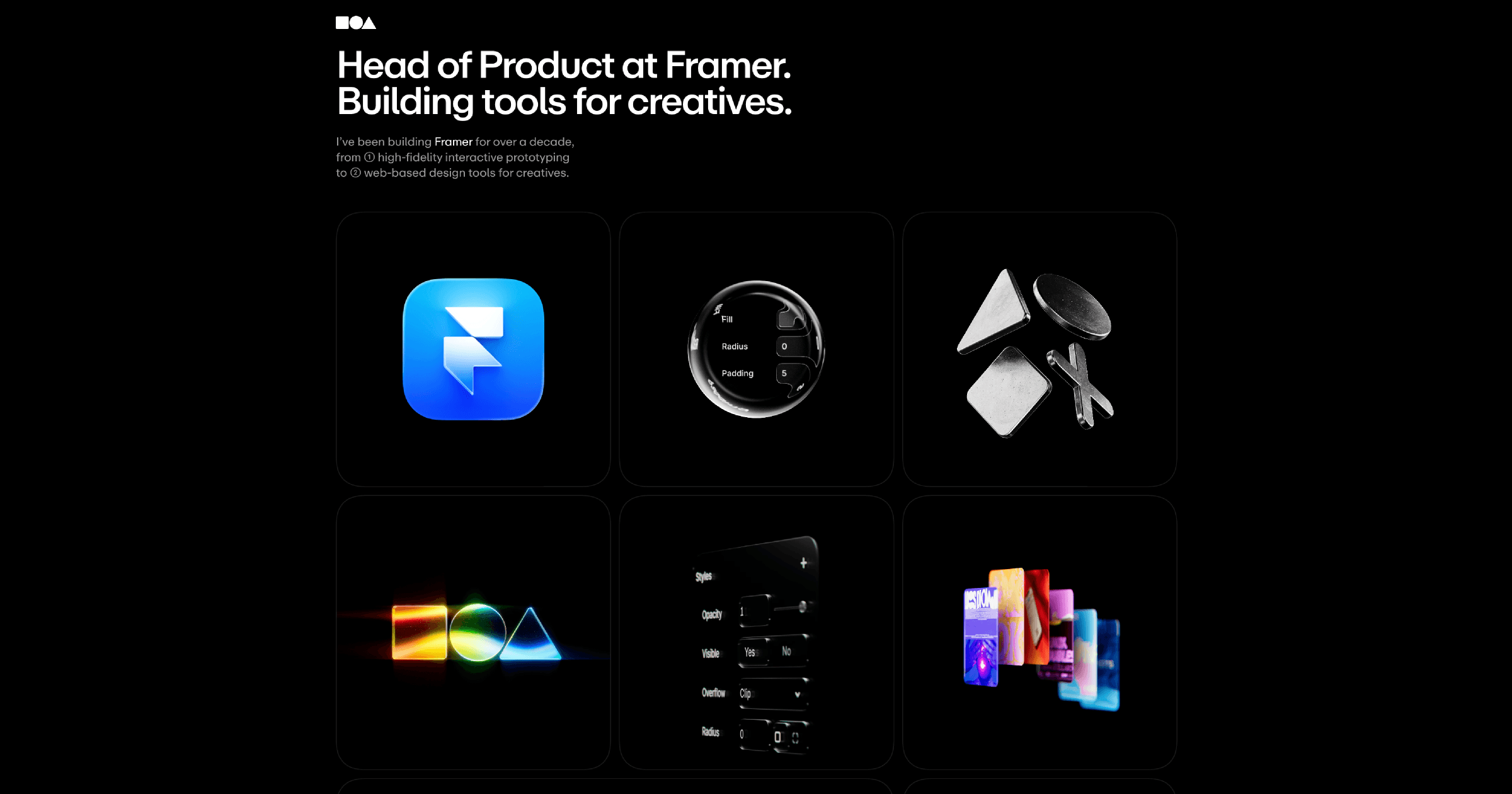
Benjamin den Boer
Framer's lead designer recently updated his personal site. The 3D icon set is fantastic.
More Notable Design
- Mr. Panda's Psychologically Safe Portfolio - Impossibly charming site. Open it and explore.
- Eat Real Food - The new US dietary guidelines. The food illustrations and scroll animations at the bottom are excellent.
Curated, translated, and edited from 丁一's DEX Weekly. Ding Yi is the co-founder of DEX, a design community. Former Head of Sketch China, former Design Director at 36Kr. A full-stack designer who writes questionable code, currently freelancing — probably Beijing's most well-known slash-career creative.